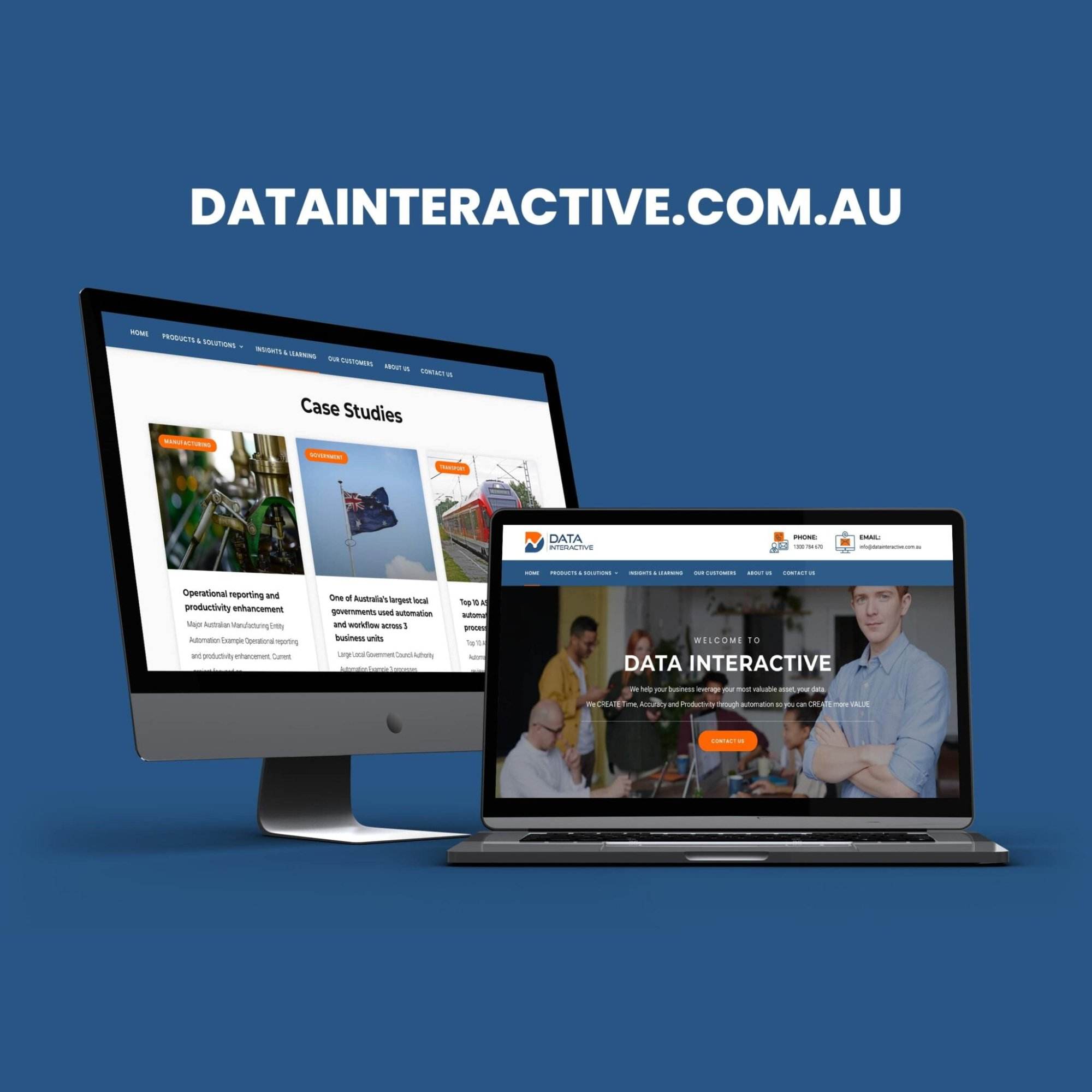
Are you searching for a reliable web design and developer to bring your vision to life and establish a strong online presence?
LOOP Digital Marketing brings over 9 years of industry experience and has delivered more than 1200+ websites and digital projects, including informational websites, eCommerce platforms, and custom applications, with a strong focus on supporting Cyprus-based businesses.
Choosing the right web design and developer is a critical decision that can significantly impact your business’s success. This guide will help you evaluate your options, avoid common pitfalls, and make confident decisions that align your vision with practical implementation.
Understanding the Value of a Professional Web Design and Developer
In today’s digital landscape, a well-crafted website serves as the backbone of your online strategy. Searching for a skilled web design and developer often stems from the urgency to create or revamp your business’s online identity. Investing in quality web design not only enhances user experience but also establishes trust and encourages conversions. The decision should not be taken lightly, as it affects your brand positioning and customer engagement.
Defining Your Requirements
Before engaging with a web design and developer, clearly outline your objectives. What do you want your website to achieve? Is it to generate leads, facilitate eCommerce, or simply provide information? Here are essential requirements to consider:
- Functional Needs: Identify the core functionalities that your website must have such as eCommerce capabilities, booking systems, or content management features.
- Design Aesthetic: Consider the look and feel of your website. Ensure it aligns with your brand identity and resonates with your target audience.
- Mobile Responsiveness: Prioritize a design that performs well on all devices, as a significant percentage of traffic comes from mobile users.
- SEO Considerations: Ensure your web design and developer understand SEO best practices, helping your site rank better in search engines.
Evaluating Potential Providers
Once your requirements are clear, it’s time to assess potential web design and developers. Here are some critical factors to consider:
- Portfolio Quality: Examine their previous work to gauge their design aesthetics, technical skills, and creativity. Look for case studies that demonstrate results achieved for other businesses.
- Client Testimonials: Feedback from past clients can provide insight into the developer’s reliability, communication, and ability to meet deadlines.
- Technical Expertise: Ensure they are proficient in the technologies and platforms you need, whether it’s WordPress, Shopify, or custom solutions.
- Ongoing Support: Inquire about post-launch support, maintenance, and updates. A good web design and developer should offer a long-term partnership beyond the initial launch.
Common Mistakes to Avoid
While choosing your web design and developer, be mindful of common mistakes that businesses often make:
- Neglecting Research: Failing to conduct thorough research can lead to misalignment between your business needs and the services offered by the developer.
- Focusing Solely on Cost: While it’s crucial to evaluate costs, opting for the cheapest option can compromise quality. It’s essential to balance value with budget considerations.
- Underestimating Project Scope: Be clear about your vision and ensure that the developer comprehends the full scope of your project to avoid future misunderstandings.
- Ignoring SEO from the Start: Many businesses overlook SEO during the design phase. Ensure your web design and developer integrates SEO best practices from the beginning.
The Development Process: What to Expect
Understanding the development process will help you manage expectations and foster a collaborative relationship with your web design and developer. Here’s a typical roadmap:
- Discovery Phase: Engage in discussions to refine your goals and requirements, sharing vision boards or examples of desired aesthetics.
- Wireframing: Visuals of the layout are created to give a preliminary view of the user interface structure.
- Design Phase: The look and feel of the website are designed, incorporating branding elements and focusing on user experience.
- Development Phase: The website is built using coding, incorporating necessary functionalities and integrating content management systems.
- Testing: A robust testing phase is crucial, where the site is checked for bugs, performance issues, and usability across different devices.
- Launch: The site goes live after all checks are confirmed, followed by post-launch monitoring and adjustments as needed.
Measuring Success Post-Launch
After your website has launched, determining its success involves tracking key performance indicators (KPIs). Here are some essential metrics:
- Traffic Analytics: Analyze user traffic patterns to understand visitor behavior and identify popular content.
- Conversion Rates: Assess how well your website converts visitors into leads or customers. A higher conversion rate indicates effective design and functionality.
- User Engagement: Monitor time on page, bounce rates, and interaction metrics to evaluate how well users engage with your content.
- SEO Performance: Track search rankings for target keywords, organic traffic growth, and user acquisition sources.
Maximizing Your Investment in Web Design and Developer
Investing in a strong web presence goes beyond mere aesthetics; it’s about creating a platform that drives results. Here are strategies to maximize your investment:
- Regular Updates: Keep your content fresh, ensure technology updates, and adapt to changing user needs for sustained engagement.
- Analyze Data: Regularly review analytics to refine marketing strategies and enhance user experience based on actual user behavior.
- Experiment with A/B Testing: Test different versions of your website to see which elements perform better in attracting and converting visitors.
- Seek Feedback: Engage with users and stakeholders for feedback to continuously improve the site’s design and functionality.
Conclusion
In summary, choosing the right web design and developer is a strategic decision that will influence every aspect of your online presence. By defining your needs, evaluating potential providers thoroughly, avoiding common mistakes, and understanding the development process, you can establish a robust digital foundation that propels your business forward in the competitive landscape of the digital age.
Need Professional Guidance?
If you are researching or evaluating options related to web design and developer and want experienced, unbiased guidance, LOOP Digital Marketing supports businesses across Cyprus with strategic web design and digital growth.
Phone: 94000550
Email: contact@loopdigitalmarketing.com