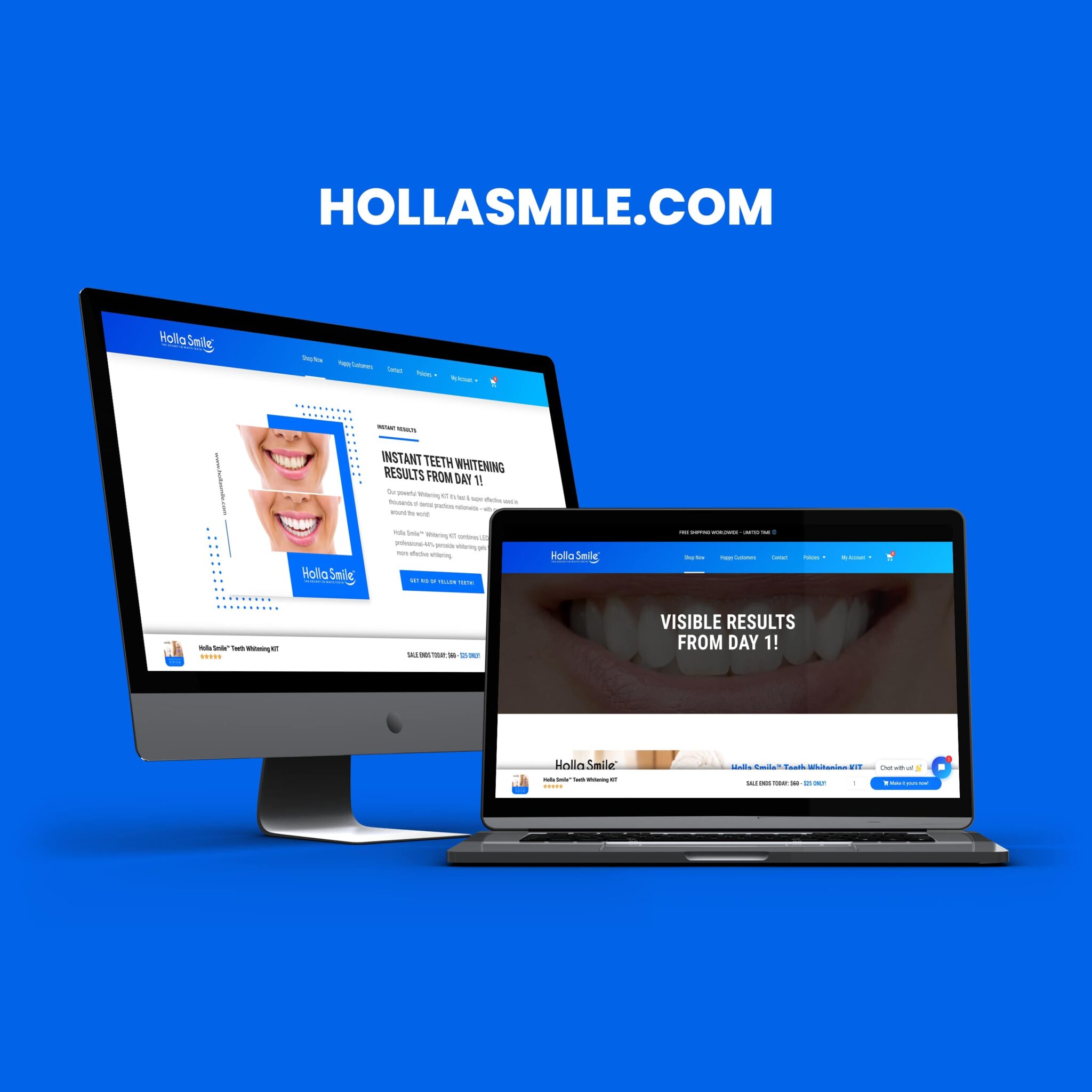
How can responsive web design transform your online presence today and ensure your site performs seamlessly across all devices?
LOOP Digital Marketing brings over 9 years of industry experience, delivering more than 1200+ websites and digital projects, including informational websites, eCommerce platforms, and custom digital applications. We have extensive hands-on experience advising businesses in Cyprus.
This decision matters significantly for your business, as a well-implemented responsive web design not only enhances user experience but also improves your site’s visibility in search engines. By reading this article, you’ll gain insights into evaluating options, avoiding potential pitfalls, and making informed decisions that can elevate your online presence.
Understanding Responsive Web Design
Responsive web design (RWD) ensures that a website adjusts seamlessly to different screen sizes and orientations. This adaptability enhances user experience across desktops, tablets, and smartphones. As more consumers access the internet via mobile devices, responsive web design has emerged from a luxury to a necessity for businesses aiming to attract and retain customers.
Why is this crucial? A site that fails to provide a consistent experience may frustrate users, leading to high bounce rates and lost opportunities. RWD not only makes navigation simple but also accommodates various functionalities, all while maintaining brand identity. Moreover, with the rise of mobile-first indexing by search engines like Google, having a responsive site can also significantly boost your SEO efforts.
Key Benefits of Responsive Web Design
- Enhanced User Experience: Users benefit from a consistent experience, regardless of device, encouraging longer visits and higher engagement.
- Improved SEO: Search engines favor responsive sites as they provide a better user experience, potentially improving your rankings.
- Cost Efficiency: A single responsive website is easier to maintain compared to multiple device-specific sites, streamlining marketing and update efforts.
- Faster Development: Investing in responsive web design from the onset simplifies future updates, reducing development time for new features.
Evaluating Responsive Web Design Options
As a decision-maker evaluating responsive web design options, consider the following critical factors to ensure your investment aligns with your business goals:
1. Assess Your Current Website
Understand your current website’s strengths and weaknesses. Utilize web analytics to measure traffic patterns and bounce rates. Identify which devices your audience primarily uses. This data is crucial in tailoring a responsive web design that meets your users’ needs.
2. Explore Design Flexibility
Ensure that responsive web design approaches allow for visual and functional flexibility. A design should not only look good on any device but also facilitate easy navigation and interaction. Talk to potential providers about their design philosophies and how they handle various screen sizes.
3. Know Your Audience
An understanding of your target market will play a significant role in shaping your responsive web design strategy. Consider the demographics, device preferences, and browsing behavior of your audience in Cyprus, including multilingual needs and cultural nuances. Responsive design enables customization per these various segments.
4. Avoid Common Mistakes
While planning for responsive web design, avoid the pitfalls of over-complicating the design. Remember that simplicity often enhances user experience. Additionally, ensure that your site is optimized for speed; slow-loading sites frustrate users and cast a shadow over your brand.
Implementing Responsive Web Design Successfully
After evaluating your options and deciding on a provider, the next step is implementation. Follow these strategies to ensure the successful rollout of your responsive web design:
1. Collaborate with Your Design Team
Engage closely with your design and development teams throughout the process. Regular feedback and iterations keep the project aligned with your expectations and user needs, resulting in a more effective end-product.
2. Test Across Multiple Devices
Conduct thorough testing across various devices and browsers. Use testing tools to observe user interactions and experiences, ensuring your responsive web design performs effectively under different conditions.
3. Optimize Content for All Formats
Content plays a crucial role in user engagement. Ensure that images, videos, and text are optimized for responsive viewing. This optimization can significantly enhance user satisfaction and time spent on site.
4. Monitor Performance
Post-launch, continuously monitor your site’s performance through analytics. Keep track of user engagement, page load times, and conversion rates. Use this data to make informed adjustments to your design strategy as needed.
The Future of Responsive Web Design
The landscape of web design is continuously evolving, with new technologies and trends emerging. Staying updated on best practices and user preferences not only ensures your website remains relevant but also maintains its competitive edge in your industry.
Consider integrating progressive web apps (PWAs), as they can enhance the responsive design experience by offering offline capabilities and faster loading times. Additionally, prioritize accessibility features to better cater to diverse audiences in Cyprus.
As mobile devices continue to dominate internet traffic, ensuring your site adapts fluidly will be a decisive factor in your online success.
Need Professional Guidance?
If you are researching or evaluating options related to responsive web design and want experienced, unbiased guidance, LOOP Digital Marketing supports businesses across Cyprus with strategic web design and digital growth.
Phone: 94000550
Email: contact@loopdigitalmarketing.com